Hood Warfare 2 Team Deathmatch: Game Modes, Updates, and Strategy
Discover everything about Hood Warfare 2 team deathmatch, latest patches, community feedback, and multiplayer FPS survival tips on Steam.
Published: Hood Warfare 2 Wiki Editorial Team
Table of Contents
Understanding Hood Warfare 2 Team Deathmatch and Multiplayer Modes
Tip
Ensure you are running the latest game version (visible in the bottom right corner of the main menu) to avoid matchmaking issues and to benefit from recent stability patches.
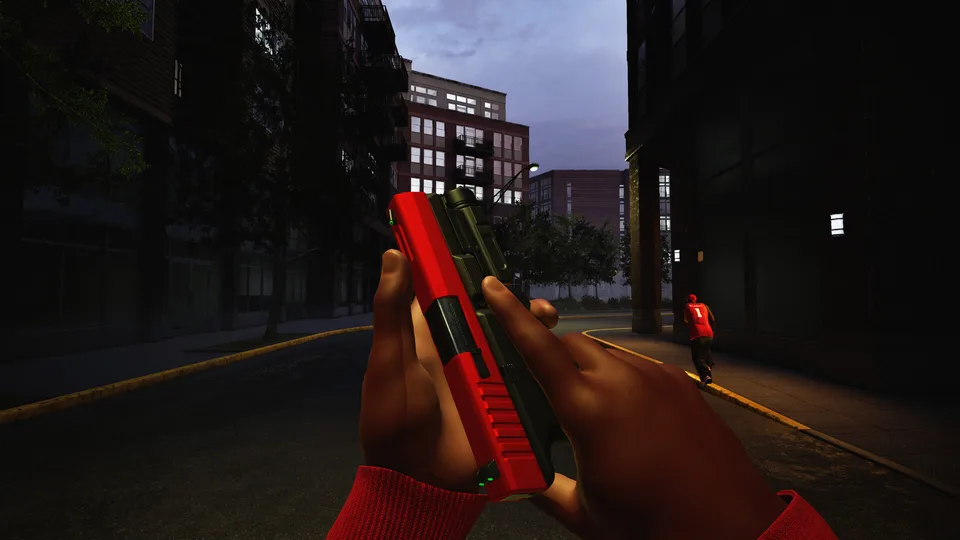
Trapstar Games' chaotic multiplayer FPS, Hood Warfare 2 on Steam, plunges players directly into the streets of Chicago where rival gangs battle for supremacy. While players often search for specific setups like team deathmatch, the game offers a variety of action-packed game modes designed around fast-paced gunplay and aggressive map control.
According to community feedback and developer notes, mastering the multiplayer environment requires an understanding of map layouts, weapon loadouts, and spatial awareness. Because maps can be exceptionally compact—such as the supermarket map—time-to-kill (TTK) is exceptionally fast. Surviving initial spawns and adapting your positioning quickly are essential skills for maintaining a positive score during intense multiplayer sessions.
Setting Up Private Matches and Lobby Options
Managing your play sessions with friends has become significantly easier following recent updates. Patch 1.0.1.4 introduced dedicated private matches, allowing players to create customized password-only lobbies.
Launch the Game: Boot up Hood Warfare 2 and verify your version number in the menu corner.
Navigate to Lobby Settings: Select the option to create a custom or private match.
Set a Password: Enter a secure lobby password to restrict access to invited players only.
Invite Friends: Share your session details with your team to begin testing weapon loadouts and strategies away from public queues.
Utilizing private lobbies is an effective way to practice weapon recoil, test custom loadout presets, and learn map spawn points without the immediate pressure of public matchmaking queues.
Voice Chat, Anti-Cheat, and Technical Adjustments
Team coordination relies heavily on effective communication. Patch 1.0.10 added full voice chat support, enabling players to talk either to the entire lobby or restrict communication strictly to their team. By default, push-to-talk is mapped to the 'T' key, though open-mic preferences can be adjusted directly through the in-game settings menu.
Concurrently, developer Trapstar Games implemented an anti-cheat system to protect public lobbies from unfair play. Community reports indicate that while early versions experienced technical turbulence, ongoing hotfixes have addressed false anti-cheat kicks and persistent audio output bugs. If you encounter audio issues, community reports advise navigating directly to the settings menu to manually select your active audio output device.
Weapon Customization, Loadouts, and Progression
Success in chaotic multiplayer environments depends heavily on weapon personalization and managing your gear effectively. Players can customize their firearms—ranging from standard sidearms to high-tier setups like the gold AK-47—to fit their preferred combat range and style.
Loadout Management
Ensure your custom presets are properly saved before heading into a match. Early community reports highlighted minor bugs regarding loadout saves, which have been addressed in recent patches to ensure progression and weapon selections register accurately at the end of each match.
Tactical Movement
Due to the small scale of certain maps, standing still leaves you vulnerable to rapid eliminations. Utilize cover, keep moving through choke points, and coordinate with teammates using voice communication to control critical map zones.
Community Reception and Player Experience
The community surrounding Hood Warfare 2 offers a vibrant mix of intense tactical engagement and raw internet culture. According to player reviews on Steam, matches often feature high-energy interactions, chaotic voice chat chatter, and memorable combat highlights, such as earning enough kills to call in drive-by support.
At the same time, community discussions highlight ongoing debates regarding the game's stylistic choices, asset usage, and raw gameplay polish. While some players praise the rapid-fire action and drill rap soundtrack as an entertaining throwback to classic chaotic shooter lobbies, others point out that bugs, graphic consistency, and UI elements remain areas for continued developer refinement. Monitoring community forums and official developer announcements remains the best way to stay informed about upcoming balance adjustments and content drops.