Hood Warfare 2 Release Date and Overview of the Indie FPS
Discover the Hood Warfare 2 release date, gameplay mechanics, and community response for Trapstar Games' controversial indie shooter on Steam.
Published: Hood Warfare 2 Wiki Editorial Team
Table of Contents
Hood Warfare 2 Release Date and Steam Launch Details
Following its surprise arrival on PC, players have been eager to track down every detail regarding the sequel. Hood Warfare 2 officially launched on October 8, 2026, on the Steam store. Developed independently by Trapstar Games, the title made a notable splash on the platform shortly after its debut without any major promotional campaigns ahead of time.
Community reports from launch week indicate that the indie shooter quickly gathered traction, drawing a 24-hour peak of 11,742 concurrent players. Priced at $5.99, the game invites players into a multiplayer first-person shooter environment built using Unreal Engine 5. It serves as a direct follow-up to the original game released in 2023, expanding on the core premise with updated visuals and expanded game modes.
Gameplay Mechanics and Available Modes
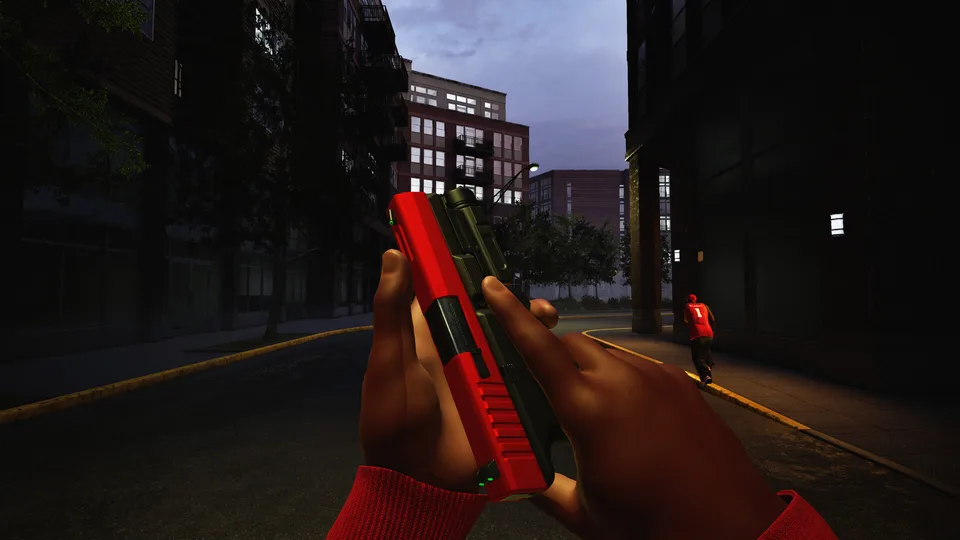
Set against the backdrop of Chicago streets, the gameplay loop centers around rival factions fighting for territory control. Community feedback highlights that the title draws structural inspiration from classic military shooters like Call of Duty, adapting those familiar mechanics into an indie urban framework.
Turf War
The foundational mode where rival gangs battle to secure and hold specific zones across the map.
GangBang
A classic team deathmatch mode that focuses on straightforward elimination gameplay.
Chaos
A free-for-all mode where every player competes individually for the most kills.
Hit a Lick
A variation of the traditional capture-the-flag mode adapted to fit the street-level aesthetic.
Destroy the Block
A tactical bomb-defusal mode requiring coordinated teamwork and objective control.
Chain Snatch
A kill-confirmed style mode where players must secure objectives dropped by eliminated opponents.
The game features several distinct environments for these matches, ranging from suburban neighborhoods to commercial mall maps. Built entirely within Unreal Engine 5, it delivers modern lighting and asset fidelity for an independent release priced under ten dollars.
Developer Background and Community Reception
Information regarding the team behind the project remains scarce. According to player and media reports, the game was created by Trapstar Games, though public channels lack detailed developer biographies or official studio headquarters information.
Since gaining attention online, the title has sparked considerable discussion across social media platforms. According to community reports and cultural commentary, the game has drawn both curiosity and criticism. Critics have pointed out its heavy reliance on exaggerated stereotypes regarding Chicago's Black communities and street culture. Despite these controversies, the title continues to maintain an active player base as curious gamers explore its matchmaking queues and distinct map layouts.
Tip
If you plan on purchasing Hood Warfare 2, check out the official Steam store page to review current system requirements and user reviews before diving into the multiplayer matches.