Understanding Hood Warfare 2 Multiplayer
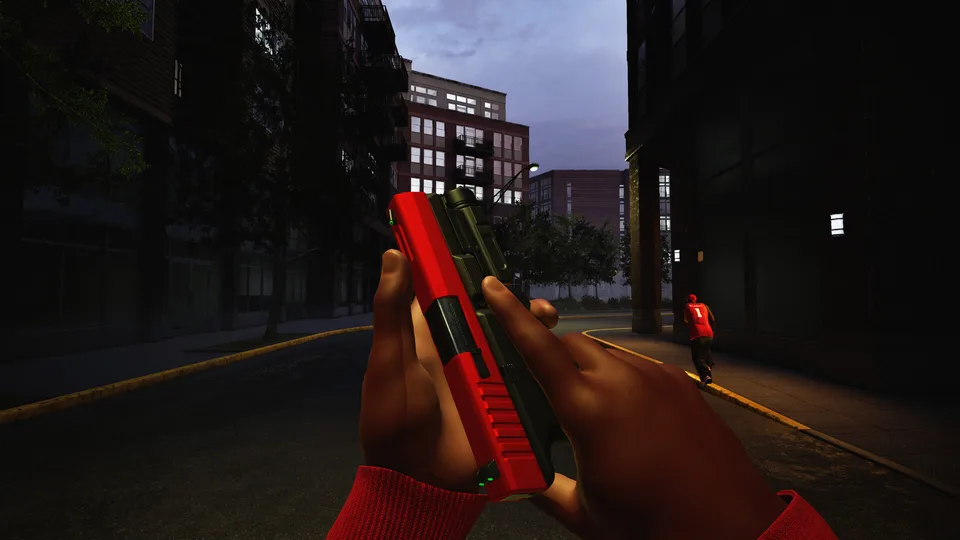
Choosing an indie first-person shooter often comes down to knowing what kind of match variety and community engagement to expect. Released on Steam in October 2026 by developer Trapstar Games, Hood Warfare 2 brings an arcade-style, Call of Duty-inspired experience to PC players. Built using Unreal Engine 5, the game places players into neighborhood environments inspired by Chicago street culture, offering a range of competitive setups for match participants.
For players deciding whether to dive into the action, understanding the available match configurations, map layouts, and general weapon mechanics helps set realistic expectations. According to community reports and early player feedback, the game leans heavily into fast-paced, low-recoil gunplay rather than deep tactical realism.
Core Game Modes
- Turf War: The primary mode focusing on territorial control across various neighborhood maps.
- GangBang: A classic team deathmatch setup for straightforward elimination matches.
- Hit a Lick: A capture-the-flag style mode requiring coordination to secure and return objectives.
- Destroy the Block: A bomb-defusal mode that challenges teams with tactical site management.
- Chain Snatch: A kill-confirmed variant where securing dropped items determines the outcome.
- Free-For-All: An every-player-for-themselves mode for individual combat testing.
Match Types and Map Design
The gameplay loop revolves around quick matches across distinct environments, including suburban streets and local shopping malls. Because weapon handling features minimal recoil, full-auto firing is common during skirmishes. Players frequently utilize assault rifles, submachine guns, and sniper options depending on the engagement distance.
Map layouts encourage rapid movement, though community reports note that some architectural designs can lead to chaotic spawn patterns and close-quarters ambushes. Whether participating in a structured objective mode like Hit a Lick or an individual free-for-all, staying mobile and adjusting attachments—such as adding red dot optics to available firearms—can significantly alter how engagements play out.
Community Reception and Considerations
Since its debut, the title has drawn significant online attention and discussion regarding its depiction of urban stereotypes, indie production scale, and arcade mechanics. While some players appreciate the low barrier to entry and straightforward shooting mechanics, others coming from tactical military simulators note that the physics feel notably arcade-heavy.
Player counts have shown healthy initial traction for an independent release, though individual experiences may vary based on region and server population. Those interested in trying out the mechanics can check the official Hood Warfare 2 Steam Page for current pricing, system requirements, and community reviews.