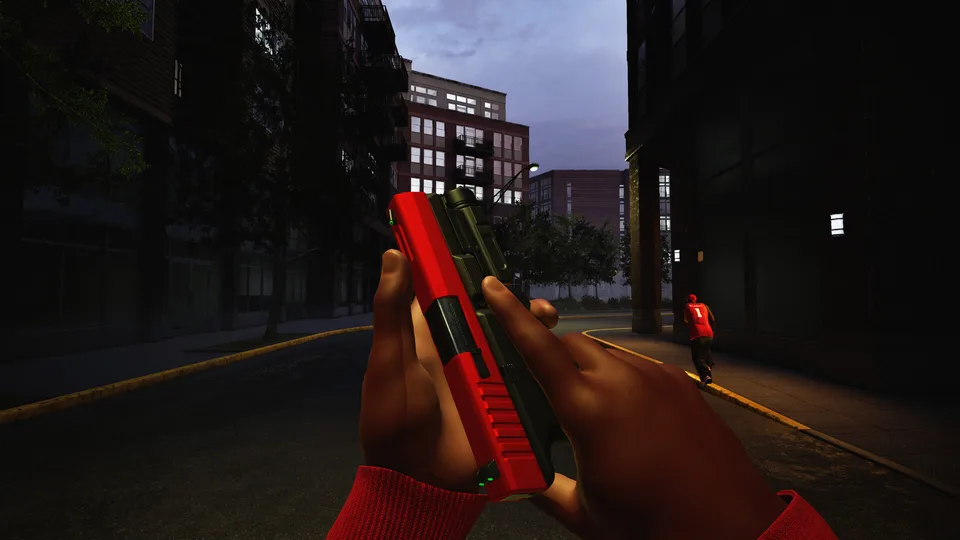
Hood Warfare 2 Anticheat and Patch 1.0.10 Overview
Discover how Hood Warfare 2 patch 1.0.10 addresses community concerns with built-in voice chat, anti-cheat enforcement, and spawn adjustments.
Published: Hood Warfare 2 Wiki Editorial Team
Table of Contents
Understanding the Hood Warfare 2 Anticheat and Patch 1.0.10 Update
Trapstar Games released patch 1.0.10 for Hood Warfare 2 on Steam to address critical multiplayer pain points, most notably introducing an official anti-cheat system and built-in voice communication. Following its viral launch on October 8, 2026, the Unreal Engine 5 multiplayer shooter quickly gathered nearly 800 reviews with a "Mostly Positive" rating of around 79%. However, early matches suffered from rampant aimbots and spawn camping. This technical breakdown examines how the new patch handles security, communication, and ongoing player feedback.
How the New Anti-Cheat System Operates
According to community reports and patch notes, the addition of an anti-cheat system represents an initial enforcement step by the development team. Players who encountered cheaters during the game's opening hours frequently complained that hackers ruined matches instantly.
While the new security measure aims to curb unauthorized software, developers have not detailed the exact mechanics or backend effectiveness of the system. Instead, the studio relies on a combination of automated detection and manual reporting. If you encounter a suspicious player during a match, you can flag them using the dedicated Report feature located right inside the pause menu. According to community insights, developers actively review these reports, making player vigilance a key part of the enforcement process.
Utilizing the In-Game Report Feature
If you spot a suspected cheater bypassing security measures, pause the game immediately and submit a report through the in-game menu. Developer review cycles depend heavily on accurate player logs.
Voice Chat Configuration and Channel Management
Patch 1.0.10 also resolves one of the community's most requested features by introducing robust voice communication. Rather than forcing all players into a single universal channel, the game separates communication into lobby-wide and team-exclusive options.
You can configure your microphone settings using two distinct modes:
Push-to-Talk (Default): Assigned to the T key by default, ensuring your voice transmits only when you choose to speak.
Open-Mic: Continuous transmission for players who prefer uninterrupted coordination without holding down a key.
This flexibility allows friends to strategize in team chat or converse casually with the entire lobby between rounds.
Addressing Community Concerns: Spawns, Performance, and Content
Beyond security and communication, player feedback highlights several other technical adjustments and persistent challenges that affect gameplay quality.
Spawns and Technical Stability
Many negative reviews point to severe spawn camping and spawn trapping on smaller maps like Downtown and Chicago Mall. Players often report being eliminated instantly upon respawning because opposing teams control the exit points. While patch 1.0.10 includes minor adjustments, community feedback suggests that spawn protection mechanics still need further refinement to prevent matches from becoming unplayable.
Content Depth and Value
Priced under $6, Hood Warfare 2 offers solid value for players seeking quick, chaotic fun reminiscent of old-school arcade shooters. However, community reviews warn of quick burnout. With limited maps, straightforward game modes (such as Turf War and GangBang), and occasional netcode or lobby glitches, some players note that the game becomes stale after a short session unless played with a full group of friends.
Lobby and Host Limitations
Be aware that matches can terminate abruptly if the host leaves the session. High ping variations and visibility issues on certain dark maps remain technical hurdles that developers are actively patching.
Summary of Patch 1.0.10 Features
Anti-Cheat Implementation
An initial security layer designed to mitigate aimbots, paired with a manual pause-menu reporting tool reviewed by the developers.
Voice Communication Options
Dual channel support for lobby-wide or team-only chat, featuring customizable push-to-talk (T key) and open-mic configurations.
Ongoing Technical Adjustments
Targeted bug fixes and spawn tweaks aimed at stabilizing the Unreal Engine 5 infrastructure following its viral Steam launch.
Is the anti-cheat system completely eliminating hackers in Hood Warfare 2?
No. While patch 1.0.10 introduced an anti-cheat tool, some community members report that cheaters still occasionally appear. Players are advised to use the in-game report menu to flag misconduct.
How do I activate push-to-talk in voice chat?
Push-to-talk is enabled by default and mapped to the T key. You can switch to open-mic settings in the audio configuration menu if you prefer continuous transmission.
Does Hood Warfare 2 support single-player offline modes?
No. There is no traditional single-player campaign, but the game does support customizable matches against bots across various Chicago-themed maps and modes like Turf War and GangBang.